
Easter in Hungary: Unique Traditions, Authentic Food & Unforgettable Cultural Experiences
Easter in Hungary is not just a holiday—it is a living tradition where centuries-old customs, flavours, and community rituals come together in a uniquely authentic way.
As winter fades and spring arrives, Hungarian towns and villages come alive with celebration. For visitors, this is a rare opportunity to experience not only a festive period, but a cultural heritage that is still actively lived rather than simply remembered.
Easter in Hungary: Traditional Customs and Local Traditions

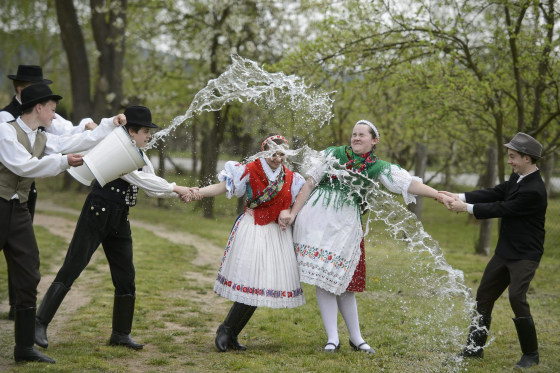

One of the most distinctive Hungarian Easter customs is “locsolkodás” (sprinkling), which traditionally takes place on Easter Monday. Young men visit women—relatives, friends, or neighbors—and sprinkle them with water or perfume. In return, they receive decorated eggs, sweets, or small gifts.
For many visitors, this custom comes as a surprise. Seeing a group of men reciting short poems before playfully sprinkling women is a moment that feels both unusual and memorable—yet it reflects a deeper cultural logic rooted in tradition.
The origins of locsolkodás are linked to ancient fertility rituals, where water symbolized renewal, cleansing, and new life. While today the practice is often light-hearted and social, in rural areas it still preserves a strong connection to its folkloric roots.
Another important element is the decoration of Easter eggs, known as “hímes tojás.” These hand-painted eggs feature detailed patterns and symbolic motifs, often representing life, protection, and rebirth.
The craft itself represents a form of cultural expression passed down through generations.
In smaller villages, visitors may also encounter locals wearing traditional folk costumes, creating an atmosphere that feels both authentic and timeless.
Easter in Hungary: Traditional Food and Festive Dishes


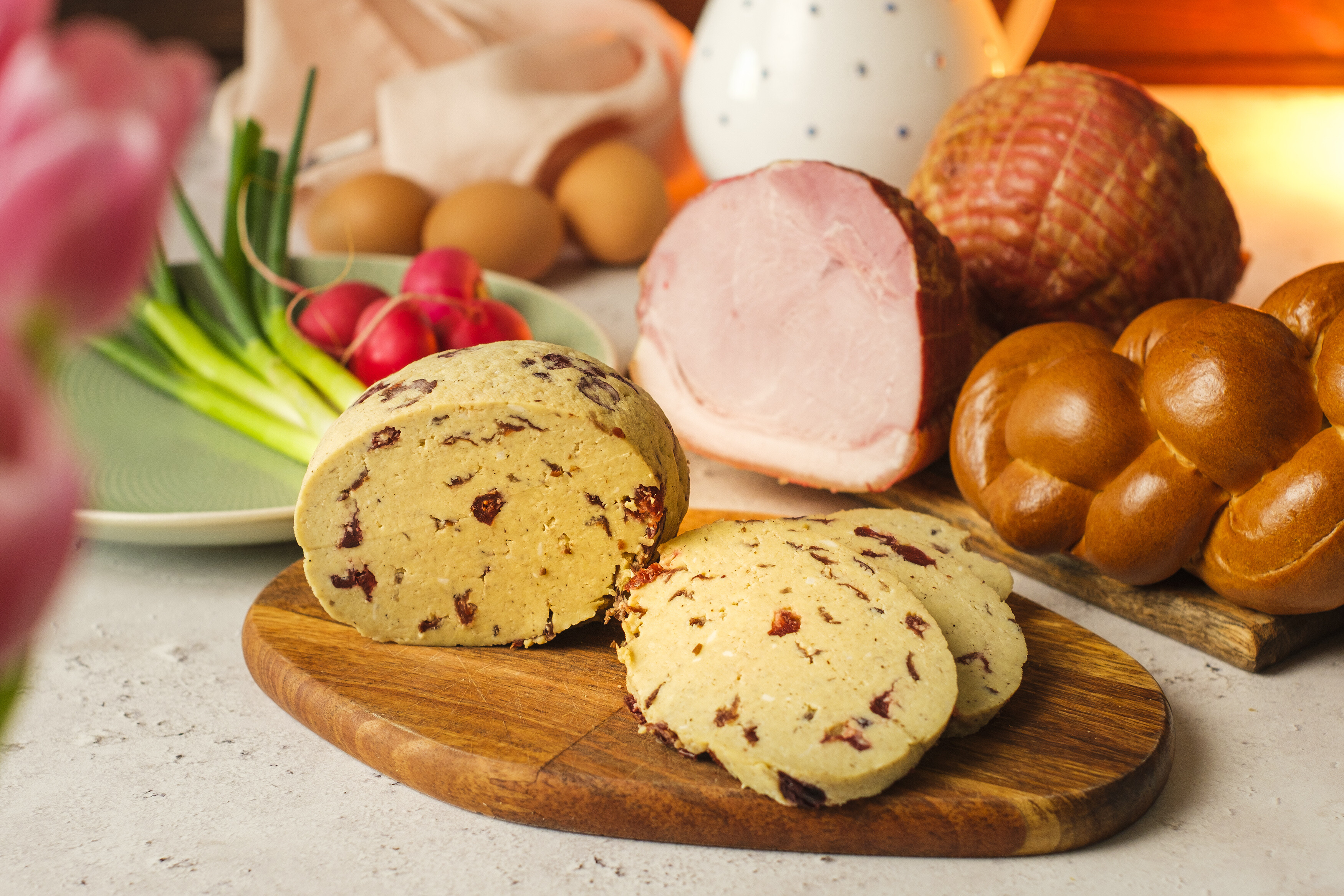
Hungarian Easter cuisine reflects both tradition and abundance. After the fasting period of Lent, Easter Sunday is marked by a rich and symbolic meal shared with family.
A traditional Hungarian Easter table typically includes:
- Smoked ham, slowly cooked until tender
- Boiled eggs, symbolizing new life and renewal
- Fresh horseradish, representing strength and vitality
- Kalács, a slightly sweet braided bread that balances the savory flavors
One of the most authentic and lesser-known dishes is sárga túró, a unique Easter specialty.
Despite its name (“yellow curd”), it is a sweet dairy dish made from milk, eggs, and sugar, often lightly flavored with vanilla or raisins. The mixture is gently cooked and shaped into a soft, sliceable form.
What makes sárga túró particularly special is its authenticity. The traditional version is simple and carefully balanced, rooted in rural culinary heritage. In contrast, many modern variations tend to overcomplicate the recipe with unnecessary additions. For those seeking a genuine Hungarian Easter experience, the original preparation offers a much more meaningful taste of local culture.


Connect it to our Art Nouveau walk
If you want to not only see but also understand what makes Hungarian Art Nouveau special, join Fungarian’s Hungarian Art Nouveau city walk — after palaces, baths, and hidden façades, you can cap the day in City Park among the zoo’s Art Nouveau ensemble. Book here: Hungarian Art Nouveau — walking tour.
Related Articles

Children Walking Tours in Budapest: How to Explore the City as a Family
Discover Budapest with a private family walking tour designed around your children’s age, interests and pace. Explore the city’s landmarks, stories and hidden corners with a local Fungarian guide.

Private vs Group Budapest Tours: Which Is Better?
Private vs group Budapest tours? Compare price, flexibility, pace and experience to find the best Budapest tour for your trip.

Where to Eat Túró in Budapest: 7 Delicious Hungarian Foods to Try
Discover where to eat túró in Budapest and try authentic Hungarian favourites including túrós csusza, túrógombóc, túrós palacsinta, Rákóczi túrós and Túró Rudi.